


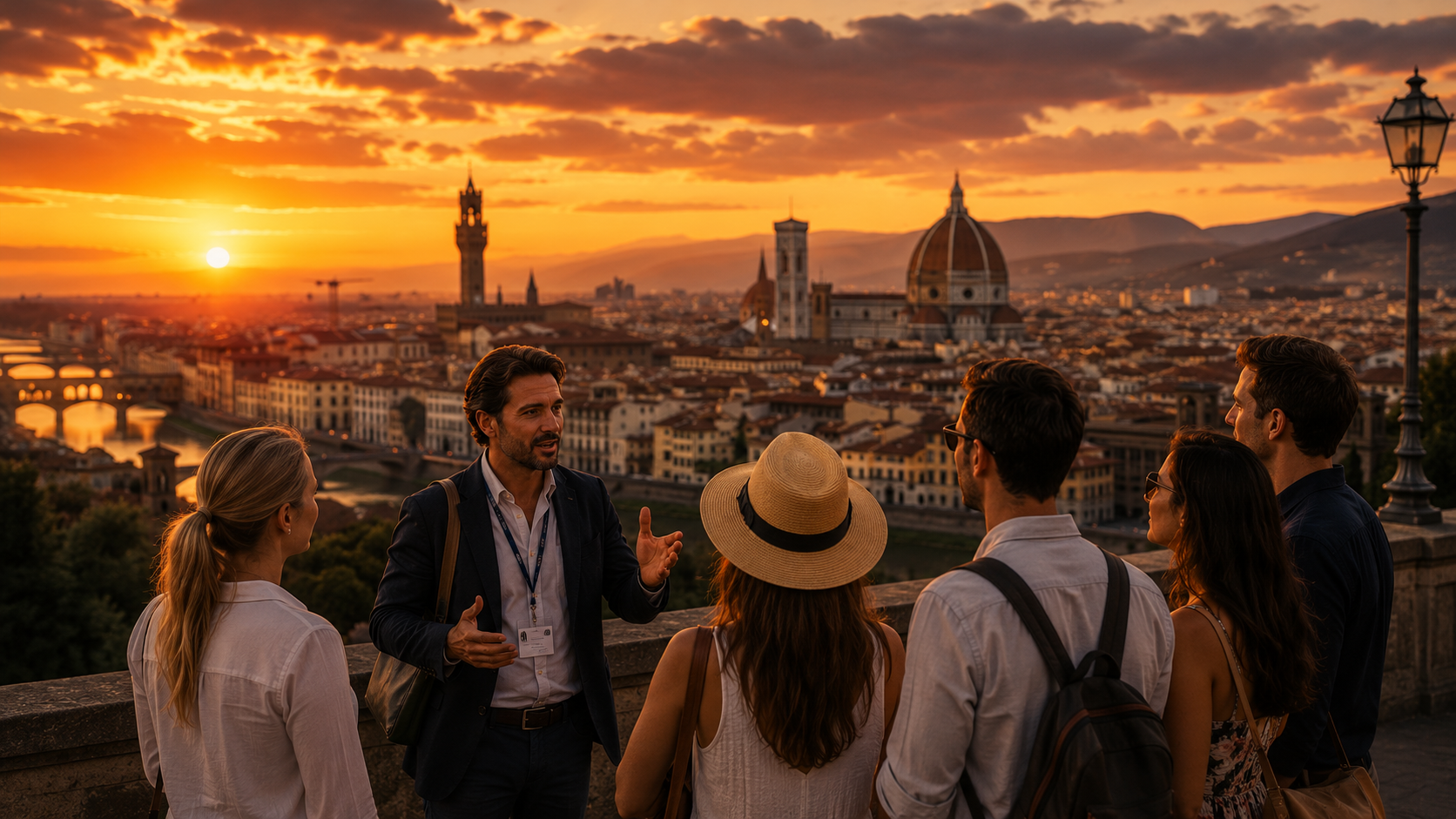
A private art itinerary should begin with your interests, pace and practical limits—not a checklist of famous museums. A thoughtful plan connects collections, temporary exhibitions, architecture, performance or studio visits while leaving room for breaks and realistic transfers. Belka Travel Concierge acts as a coordinator and concierge service, helping align priorities, timed entries, guiding, transport and contingency plans.
Choose a curatorial thread
Even one city can offer more than anyone can absorb. Pick a thread: Old Masters, modernism, photography, antiquity, contemporary art, architecture, design or local craft. You may also build around an artist, period or a conversation between two collections. If the trip spans countries, the European destinations page can be a useful starting point, but the number of overnights—not pins on a map—should set the pace.
Share what you have already seen, what you would rather skip, and how deeply you want to engage. Mention children, older travellers, collectors, mobility needs, preferred guiding language, appetite for walking and interest in an evening event or art buying.
Select museums and exhibitions with purpose
Major collections matter, but they need not take over every day. A satisfying pattern is one substantial museum, one smaller venue, and time for lunch or a walk in a relevant neighbourhood. A temporary show can be the centrepiece, yet its entry process, hours and access rules may differ from those of the permanent collection.
Ask for a short list that explains why each stop belongs. It makes the choice between a rare exhibition and a landmark museum, or between depth and breadth, clearer. The Belka Travel Concierge articles offer adjacent planning ideas; the piece on a wine tour with driver and guide is also a useful example of connecting a theme, geography and pauses.
Decide what kind of guide you need
A guide is not necessarily needed all day. In a major museum, an art historian who creates a focused narrative and adapts to your knowledge can be valuable. An architecture walk may call for a local researcher; contemporary galleries may suit a guide familiar with the local scene. Clarify whether you need an art specialist, a guide-interpreter, or a coordinator, and whether you prefer discussion and unhurried looking to a fixed script.
Send three to five artists, periods or questions that interest you. This helps create a visit that goes beyond wall labels. If commercial galleries or design showrooms are included, distinguish research from an intention to purchase; a related service logic is outlined in the article on a personal shopping day with a concierge.
Use timed entry without overpacking the day
A timed ticket is an anchor, not a promise that you will see everything. Build buffers for transfers, security, cloakrooms, entrances, lifts, restrooms and a short reset. This matters especially when combining several ticketed venues, large institutions and evening plans. Morning entry may suit concentrated viewing, while a later slot may suit a slower start; the best choice depends on the venue and your group.
Three major museums in succession rarely make a good day. One full visit, lunch, a neighbourhood walk and a compact second stop is often more rewarding. If a gallery closes, an exhibition changes or the group runs late, a pre-agreed priority list makes it easy to adjust calmly.
Plan the connections between venues
Culture days often fail on logistics rather than content. Hotels, museums, pedestrian-restricted districts and evening venues can be far apart. For several addresses, luggage, evening clothing or mixed ages, consider a car with driver. This does not replace walking: it can connect districts and meet you at agreed points while the itinerary remains genuinely urban.
Provide guest numbers, luggage, child-seat needs, a folding stroller, boarding assistance and a comfortable walking limit. For a broader journey, see the planning approaches in private tours.
Prepare a graceful backup plan
Even a carefully coordinated day needs flexibility. Keep one nearby alternative, a calm place for a break and a clear meeting point if the group separates. Have tickets, confirmations and contacts accessible, but do not assume that popular venues can accommodate walk-ins. Accessibility, photography rules, cloakrooms and the possibility of a workshop, lecture or performance should be discussed in advance.
To begin, send dates, city or cities, group profile, art interests, preferred venues, languages, pace and any tickets already held. Belka Travel Concierge can coordinate the itinerary and related services; the practical next step is to contact the concierge team before the programme is fixed.